


Start Here: Dubai Basics
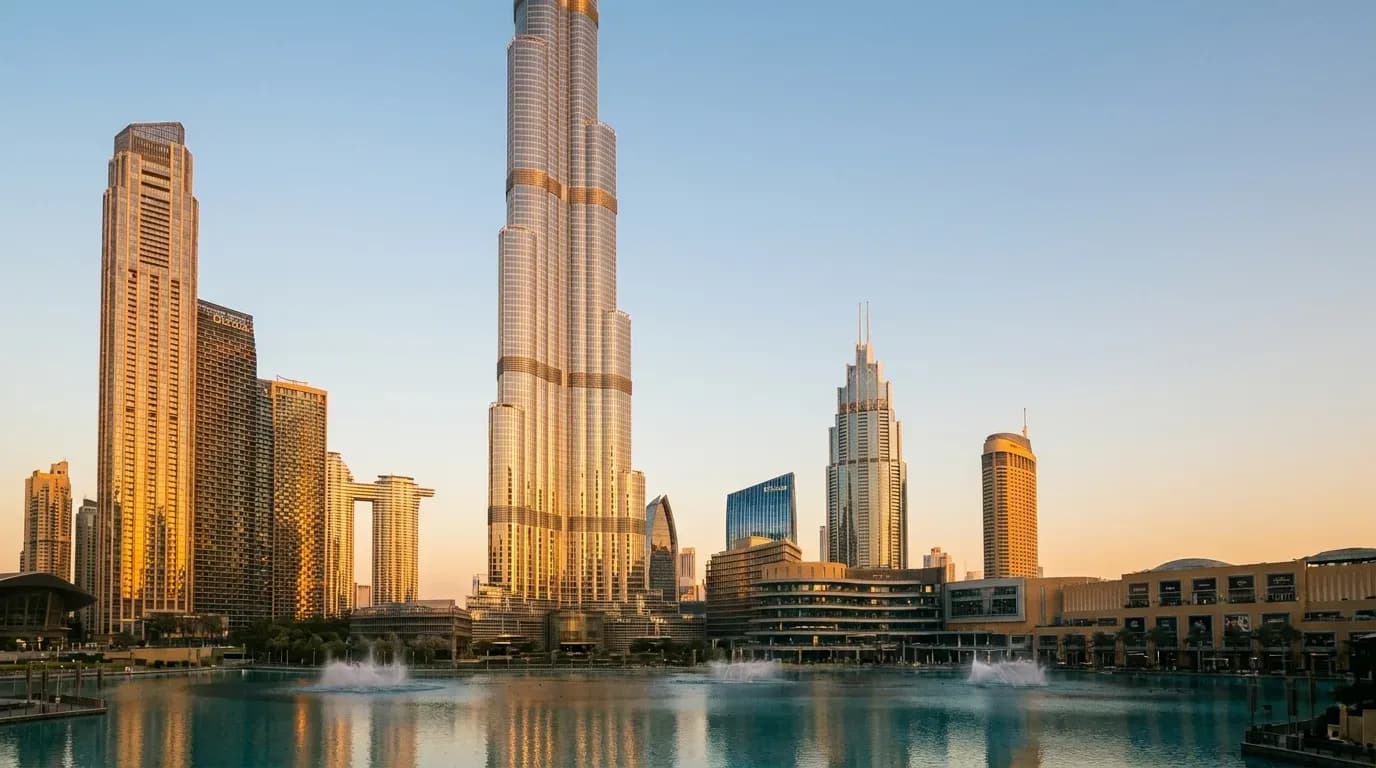
New to Dubai real estate? Start here. These are the foundational questions every international investor asks first, who can actually buy, whether you need residency or a local sponsor, and how the whole process works from abroad. Get the essentials right before you go deeper.
The foundational questions every investor asks first.
Frequently asked questions
Can Foreigners Buy Property in Dubai?
Yes, foreigners can absolutely buy property in Dubai. In designated freehold areas, international investors, from the United States, United Kingdom, Canada, Australia, Europe and beyond, can own property 100%. You do not need a local sponsor, a local partner, or residency. You can buy, own, rent, and eventually sell just like any other real estate investment.
Read The Full Answer →Can Americans Buy Property in Dubai?
Yes, Americans can absolutely buy property in Dubai, on the same terms as other foreign nationals. As a licensed realtor in both California and Dubai, the majority of my clients are American investors. Americans can legally buy, own, lease, finance, sell, and inherit property in Dubai, and the transaction can often be completed remotely.
Read The Full Answer →Do I Need Residency to Buy Property in Dubai?
No, you do not need residency to buy property in Dubai. Property ownership and residency are two separate things, you can purchase as a non-resident investor. In fact, it often works the other way around: a qualifying real estate investment can help you obtain residency through programs like the Dubai Golden Visa, available with a AED 2 million property.
Read The Full Answer →Can I Buy Property in Dubai Without Visiting?
Yes, you can absolutely buy property in Dubai without visiting. Many international investors purchase remotely using virtual meetings, digital documentation, video tours, and secure transaction processes, there is even an app to track your off-plan development in real time. Buying remotely does not mean buying blindly: work with professionals you trust and do proper due diligence.
Read The Full Answer →Why Is the UAE Dirham Pegged to the U.S. Dollar, and Why Does It Matter?
The UAE dirham is pegged to the U.S. dollar and has stayed relatively stable for decades at approximately 3.67 dirhams to 1 dollar. It matters because one of the biggest risks of investing internationally is currency risk. For American investors especially, the peg creates predictability across rental income, mortgage payments, costs, and future resale proceeds.
Read The Full Answer →Why Are Americans Investing in Dubai?
A growing number of Americans are exploring Dubai for several reasons: attractive price per square foot versus major U.S. cities, no annual property taxes, flexibility for long-term and short-term rentals, and the possibility of a 10-year Golden Visa. Most are not leaving the U.S., they are adding an international asset to diversify their portfolio.
Read The Full Answer →Is Now a Good Time to Buy Property in Dubai?
Yes, if you're investing with a long-term strategy rather than trying to time the market. Dubai's market has matured: population growth remains strong, global companies keep expanding here, and government development plans continue driving demand. That doesn't mean every property is a good investment. Today's investors need to be far more selective.
Read The Full Answer →What Advice Do You Have for First-Time Buyers in Dubai?
Start with your investment goals, not the property. Before looking at listings, ask whether you're investing for rental income, capital appreciation, a vacation home, or a future move to Dubai. Your answer determines which communities, developers, payment plans, and property types make the most sense for you.
Read The Full Answer →Do I Need to Speak Arabic to Invest in Dubai?
Not at all. English is the primary language used throughout Dubai's real estate industry. Contracts are available in English, most agents speak English fluently, and government services are designed for international investors. Dubai is home to more than 200 nationalities, which makes the process comfortable for English-speaking buyers.
Read The Full Answer →